
 Hrvatski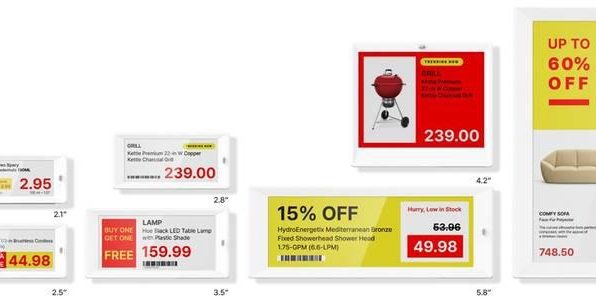
Digital shelf pricing in supermarkets is no longer just a technological novelty, but a tool that directly impacts price accuracy, in-store operational speed, and the customer experience.
In practice, these are electronic shelf labels that replace paper tags and allow the price of each product to be updated centrally, without manual changes at every shelf position. For retail in Croatia, this is especially important at a time when consumers are sensitive to every price change, and retailers are under pressure to maintain margins while ensuring consistency between shelf prices and checkout prices. The Croatian Consumer Protection Association often highlights the importance of clear price display, and transparency is key to building customer trust.
Why Digital Pricing Has Become an Important Topic
In the traditional model, pricing requires a lot of operational work. When a retail chain changes its assortment or promotions, employees have to print new labels and manually place them, which—across a large number of SKUs—takes time and increases the room for error. Digital pricing solves this problem in a simple way: the change is sent from the system and the shelf label displays the new information almost immediately. This gives the retailer better control and the customer more reliable information. This is where the main value of ESL systems becomes clear—systems that Princ positions as a solution for modern retail.
What Large Retail Systems Are Already Doing
This topic is no longer theoretical. Kaufland has already introduced electronic price labels in fresh food departments in more than 770 stores in Germany. Digital display reduces additional staff workload in departments where prices change frequently, such as bakery or fruit and vegetables. When major chains adopt this technology, it is a sign the system is ready for environments where price, demand, and shelf life change day by day. These are exactly the departments that suffer most from manual work and inconsistencies between shelf prices and checkout prices.
Case Study: Dynamic Markdown of Food Close to Expiry
One of the best examples comes from Albert Heijn (Ahold Delhaize Group). In their 2024 report, they mention expanding a dynamic markdown program for products approaching their expiration date. Discounts of 25% to 70% are delivered through electronic shelf labels supported by an AI system. In 2024, this approach helped save more than 1.5 million kilograms of food. This is an excellent example of how dynamic pricing does not have to mean price increases, but rather responsible price reductions when it benefits both the retailer and the consumer.
Are Consumers Right to Be Cautious?
Although part of the public fears that digital pricing could lead to price increases based on real-time demand, analyses do not confirm this. Research shows that digital labels more often lead to more precise markdowns than to temporary price hikes. The main benefit for customers is accuracy: it eliminates situations where one price is shown on the shelf and a different price is charged at checkout.
What Croatian Retail Can Gain
In the Croatian market, digital pricing brings very concrete benefits:
- Faster pricing across an entire store network
- Less manual work for employees when changing labels
- Greater accuracy between systems, shelf labels, and checkout
- Easier management of products close to their expiration date
- An opportunity to reduce food waste
Where Princ Fits In
Companies introducing digital pricing look for a partner who understands retail logistics and system integration. This is where the advantage of the experience Princ has built through RFID solutions and digital pricing becomes clear. When digital pricing is connected to inventory data, the shelf becomes an active point of sales management. In an environment where Croatian retail is seeking greater precision and modernization, digital pricing becomes a logical step that changes the way every pricing decision on the shelf is managed.