
 Hrvatski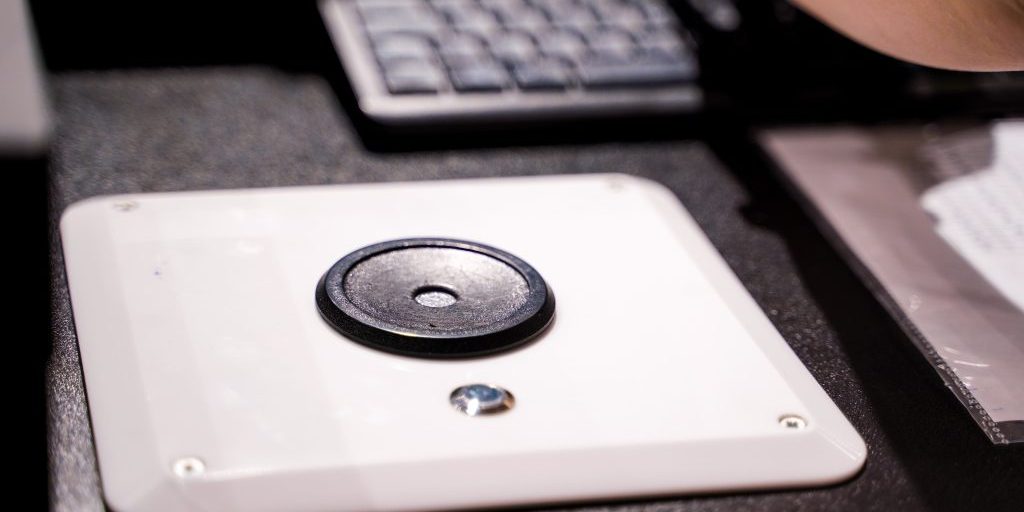
A major retail chain in Bosnia and Herzegovina faced the challenge of barcode labeling for textile products. Codes were assigned to groups of products, and employees sometimes entered them manually on labels, which slowed down operations and increased the risk of errors. RFID proved to be the solution.
The RFID technology project was introduced to ensure that each item receives its own unique code. Instead of manual entry, RFID technology was implemented to enable more accurate identification, faster item processing, and more reliable data management in retail.
How the Solution Works
The solution is based on an RFID hard tag (a security tag), which is linked to each individual item using the ProStation device. This way, each product receives its own digital record, enabling clearer identification and better control throughout the entire sales process.
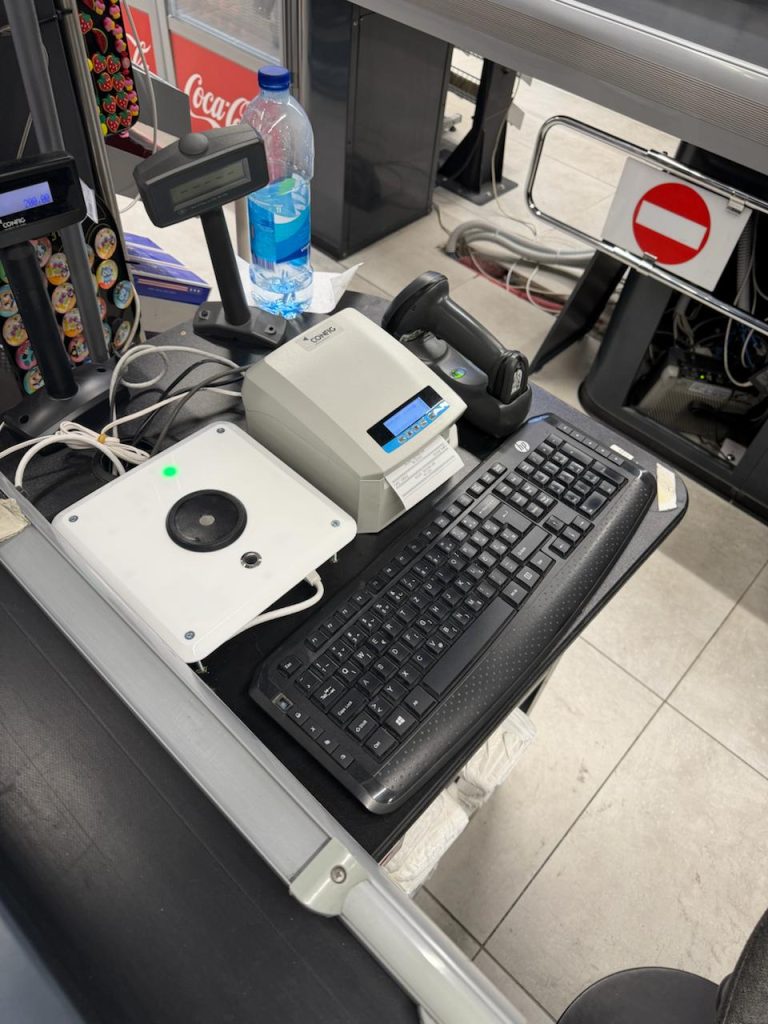
At the checkout, when the hard tag is removed using the ProPay device, the reader automatically scans the tag and displays the information at the POS. This eliminates manual entry, speeds up checkout, and increases data accuracy. This workflow is especially important in environments with a large number of items, where speed and process reliability directly impact store efficiency.
Implemented Equipment
As part of the pilot, the following equipment was implemented:
- 10 ProPay devices
- 1 ProStation device
- 1 handheld terminal for inventory checks
The handheld terminal additionally supports employees in daily product checks and in-store inventory. Instead of relying on manual records, item status can be verified faster and more accurately.
Key Benefits of RFID
The main benefits of this system are:
- faster item processing at checkout
- more accurate identification of each product
- elimination of manual data entry
- easier inventory checks
- better visibility across labeling and sales processes
This case clearly shows how item-level tagging using RFID technology can improve retail operations. By linking each item to its own RFID tag, retailers achieve faster workflows, fewer operational errors, and more reliable records—especially important in retail environments with a large number of textile products.